The Future of Space Communications
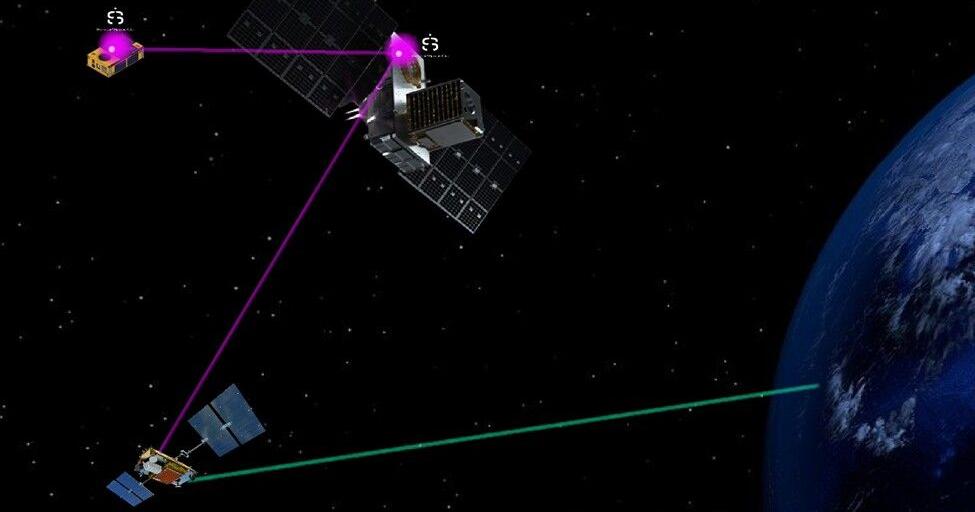
Solstar's mission is to make living and working in space more efficient by providing the core network equipment required to do so. We provide WiFi in space. With WiFi in space, we can connect people, payloads, spacecraft, space stations, lunar rovers, landers, and habitats just like we use WiFi networks in our offices and homes on earth. Solstar has a long spaceflight and satellite communications heritage that positions the company for being the leader for WiFi in space. Going back as far as 2005, Solstar has been advancing technologies to make aerospace communications for available and efficient. From connecting Walmart’s corporate Learjets and NATO/United Kingdom Ministry of Defense helicopters to the first texts to space in 2013 aboard an UP Aerospace sounding rocket and providing the first commercial WiFi in space in 2018 aboard Blue Origin’s New Shepard rocket, Solstar has been leading the way for aerospace communications.
See something off about this company?
Brian Barnett
founder
Wifi Access points built specifically to operate in the extreme conditions of space currently does not exist. NASA and commercial space companies building space stations and bases on the moon have a requirement for the WiFi that Solstar is developing. Just like on Earth, we need network equipment in space. Unfortunately, today WiFi in space isn’t easy and is practically non-existent. This is a missing piece in space-based communications that Solstar is fulfilling.
Solstar has flown its technology three times in space successfully, including the first commercial WiFi hotspot inside a spacecraft, and first commercial tweet from space. We flew twice on Blue Origin's New Shepard's spacecraft and demonstrated a commercial satellite link to the spacecraft from launch to landing. We have key customers in the three main market segments including Northrop Grumman, NASA, and Space Force/Air Force. We are currently working on providing WiFi on the Lunar Gateway Space Station and are developing WiFi capabilities for lunar surface operations.

Payload · Sep 29, 2025
The space agency awarded the space communications firm a $150,000 SBIR Phase 1 contract to design a lunar WiFi access point to support CLPS and Artemis missions.

Santa Fe New Mexican
Monday’s launch was the first time in low-Earth orbit for the invention, which aims link spacecraft to Wi-Fi-style networks.
$3.8M
7 awards · 6 prime · 1 sub
Recent · 5 of 7
National Aeronautics and Space Administration
Department of Defense
National Aeronautics and Space Administration
via NORTHROP GRUMMAN SYSTEMS CORPORATION