Back to directory
Run your attraction without the software struggle
AustinFounded 201714 employees
RetailBusiness ServicesFinTechTransportation & Mobility

🟢 Raising Funding — $400K target
See something off about this company?
Run your attraction without the software struggle
See something off about this company?
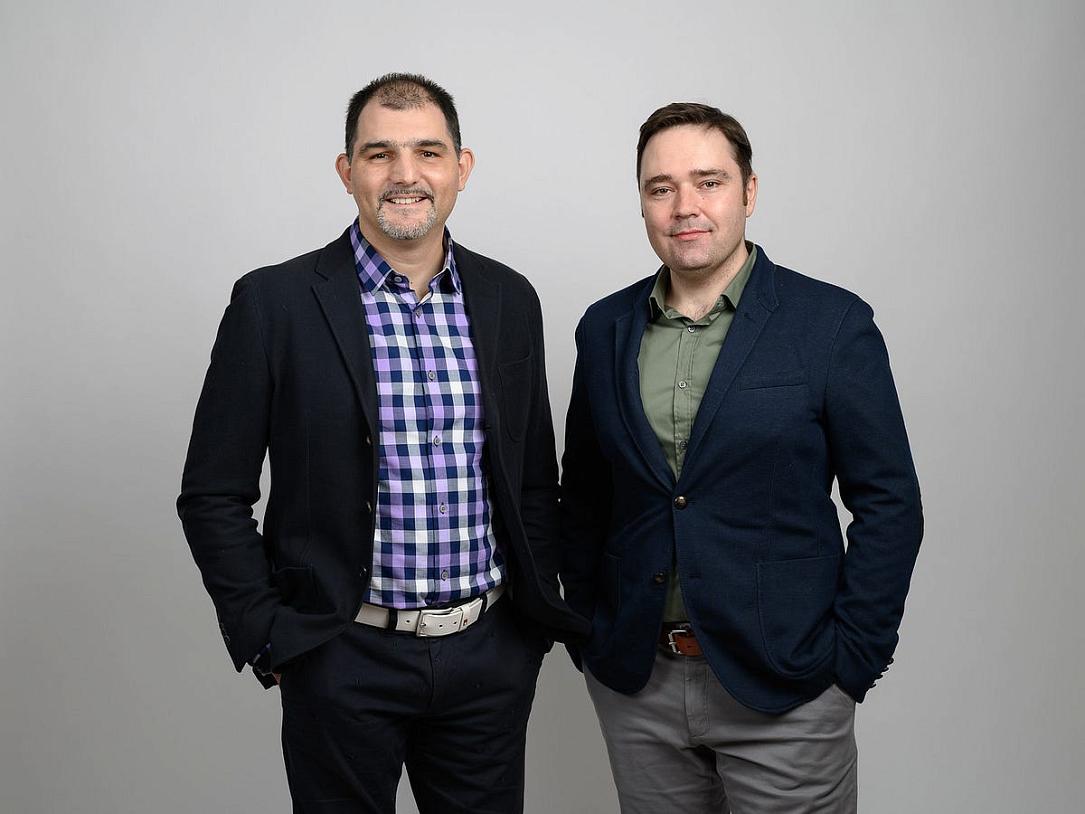
Andrei Stefan
founder
Mike Mihai Dragan
founder
Romania Insider · Mar 26, 2024
Oveit, a Romania-born startup currently based in the US, announced a new campaign to raise EUR 400,000 on SeedBlink to transform live events with advanced SaaS shopping technology. The company said its “sophisticated shopping technology” is ready to further capitalize on the growing global...

AP News · Nov 3, 2022
Oveit, the fintech company headquartered in Austin, Texas, partners with Utrust, a Swiss start-up that offers cryptocurrency payment solutions.

AP News · Nov 3, 2022
Oveit, the fintech company headquartered in Austin, Texas, partners with Utrust, a Swiss start-up that offers cryptocurrency payment solutions.

The Fintech Times · May 12, 2022
Oveit Wallet will remove the worries of cash management in a large crowd as its digital wallet will provide increased finance security.

The Recursive · Feb 11, 2022
Read about Polygon's latest round, its plans to develop Web3 and the partnership with Oveit, the Romanian startup and NFT ticketing platform.
